
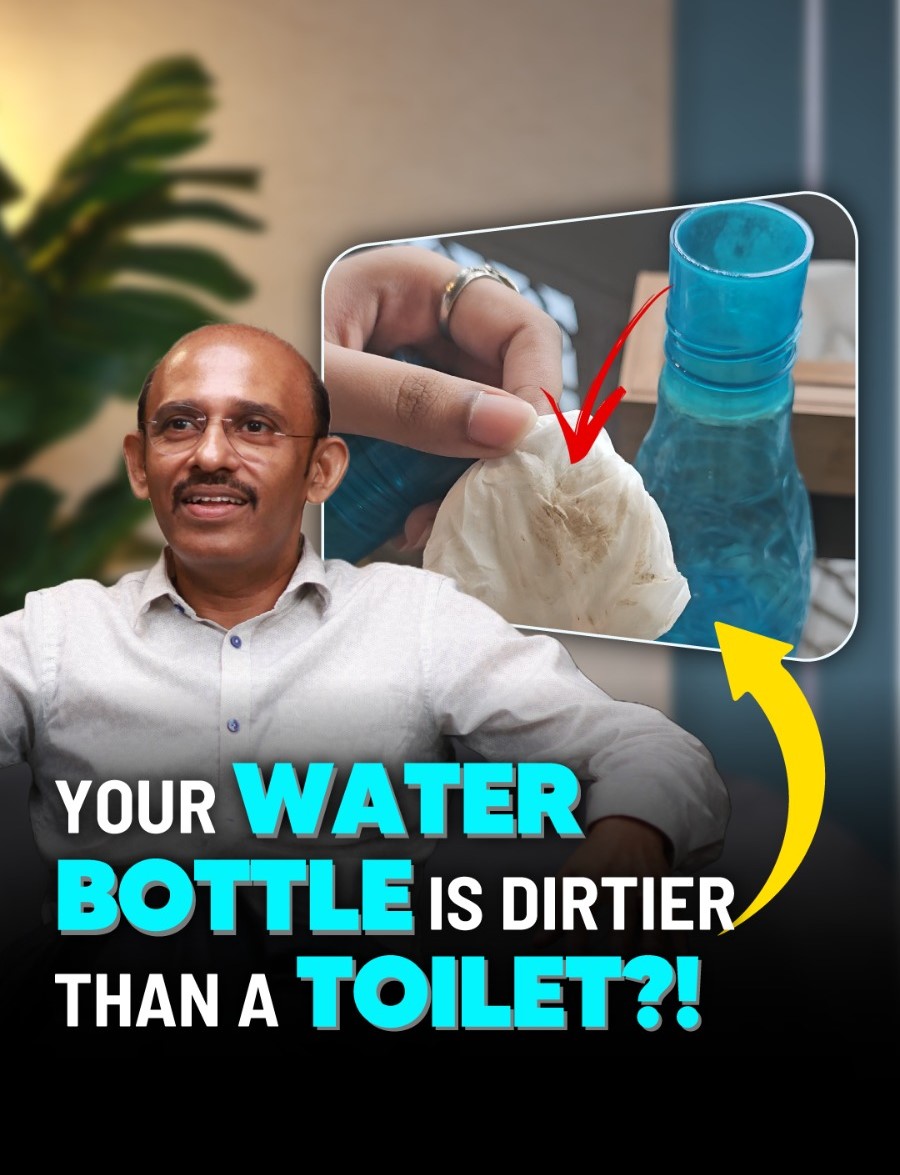
Reusable Water Bottle Bacteria: The Shocking Truth Hidden in Your Cap
Did you know that your trusty reusable water bottle could be harbouring more bacteria than a toilet seat? While switching to a reusable water bottle is an excellent step for environmental sustainability, neglecting proper hygiene can turn your hydration companion into a thriving breeding ground for harmful microorganisms.
A recent study revealed that a typical reusable water bottle contains an astonishing 40,000 times more bacteria than a standard toilet seat. For anyone focused on a healthy lifestyle, this statistic is an eye-opener. Understanding why these bacteria accumulate and how they impact your health is essential for maintaining your daily well-being.
The Shocking Science: Water Bottles vs. Toilet Seats
When we think of dirty surfaces, toilet seats are often the first thing that comes to mind. However, because toilet seats are frequently sanitised with harsh household cleaners, their actual bacterial counts are often lower than those of items we touch and use daily.
Reusable water bottles, on the other hand, frequently slip through the cracks of our daily cleaning routines. According to recent research, only about a quarter of users clean their water bottles a few times a week, while nearly one in five clean them only a few times a month.
When moisture, backwash, and warmth are left undisturbed for days or weeks, single bacteria multiply rapidly. This lack of regular maintenance allows them to form complex, resilient layers known as biofilms along the interior walls of your bottle.
The Hidden Breeding Grounds: Crevices, Necks, and Caps
The main reason bacteria thrive in your bottle isn’t just the water itself—it’s the physical structure of the bottle.
The Role of Threaded Necks and Screw Caps
Most reusable bottles feature threaded necks and matching screw-top caps to ensure a leak-proof seal. Unfortunately, these tight threads create tiny, microscopic gaps.
When you take a sip, tiny droplets of water mixed with saliva are squeezed into these hard-to-reach areas.
Normal rinsing cannot reach these deep grooves, allowing bacteria to grow undisturbed.
The Danger of Straws and Flip-Top Spouts
Spouts, built-in straws, and slide-open lids are highly convenient, but they contain complex internal parts. Gaskets, spring hinges, and silicone mouthpieces have deep recesses that trap moisture whenever you close the lid. If you don’t scrub these parts with a specialised small brush, mould and bacteria will inevitably start to grow.
The Microbial Lineup: What is Actually Growing Inside?
When a bottle goes unwashed, it accumulates a mix of environmental bacteria and microbes from your own mouth. Testing on unwashed caps and spouts routinely identifies several specific types of bacteria:
[Saliva & Backwash] ➔ Enters Bottle Crevices ➔ Trapped in Biofilm ➔ Streptococcus, Staphylococcus, and E. coli Multiply
Streptococcus mutans: A common bacterium found naturally in the human mouth that plays a major role in tooth decay. It transfers directly into your bottle through backwash.
Staphylococcus aureus: This bacterium is frequently found on the skin and inside the nose. It can easily transfer onto the spout or cap from unwashed hands during workouts or outdoor activities.
Escherichia coli (E. coli): While less common, E. coli can end up on a water bottle lid through cross-contamination from handling gym equipment, public transit railings, or unwashed hands.
Why Aren't We Getting Sick Constantly? The Mouth Microbiome Loop
If our water bottles are filled with millions of bacterial colonies, why don’t we experience constant stomach bugs or infections?
The Role of Self-Inoculation
The primary reason you don’t get sick from your own unwashed water bottle is that the vast majority of the bacteria present came directly from your own mouth. Your immune system is already familiar with these specific strains of Streptococcus mutans and Staphylococcus, meaning they rarely trigger an acute illness when reintroduced to your body.
When the System Fails: Fever and Cross-Contamination
While your own bacteria are generally safe for you, this balance can break down under certain conditions:
During an Illness: If you sip from your bottle while running a fever or fighting an infection, you introduce high levels of pathogenic bacteria into the bottle.
The Cycle of Re-infection: If you continue using the same unwashed bottle after your symptoms clear, you risk re-introducing those elevated pathogens back into your system, which can prolong your recovery or trigger a relapse.
Sharing Bottles: Sharing an unwashed bottle with a friend or family member introduces unfamiliar bacterial strains into their system, which can easily lead to a sudden stomach upset or illness.
Step-by-Step Guide to Properly Sanitizing Your Bottle
To keep your reusable water bottle truly clean and safe, simple rinsing isn’t enough. You need a consistent, thorough cleaning routine to break down resilient biofilms.
1. The Daily Dish Soap Scrub
Do not let your bottle sit on your desk or in your gym bag overnight. At the end of every day, wash it thoroughly with warm water and liquid dish soap. Use a dedicated bottle brush to scrub the bottom and interior walls, then rinse completely.
2. Deep Cleaning the Cap Crevices
Take the lid apart completely, removing any detachable silicone rings or gaskets. Use a small, thin brush (like a straw cleaner) to scrub inside the screw threads, spouts, and crevices where slime and bacteria tend to gather.
3. Weekly Deep Disinfection
Once a week, give your bottle a deep clean using one of these highly effective methods:
The Vinegar Soak: Fill your bottle halfway with white vinegar and halfway with warm water. Let it sit for 30 minutes to naturally break down mineral scale and bacteria, then scrub and rinse.
Baking Soda Paste: For stubborn odours, mix two tablespoons of baking soda with warm water inside the bottle. Use your bottle brush to work the mixture into the interior walls, let it sit for an hour, and rinse thoroughly.