
Why Your Water Softener Isn’t Fixing Salty Water
Over time, these problems start to feel more like annoyances and reminders that the water’s treatment could be improved. The homeowner pays for additional cleaning solutions and repairs, yet the problem persists. Friends, neighbours, and even local plumbers often recommend a water softener as the “standard solution,” reinforcing the belief that it is the only fix needed. Without proper water testing or understanding the actual cause of the problem, many people move forward with installing a softener, confident that they are making the right investment, but unaware that the real issue may go far beyond hardness alone.
The Common Misconception About Water Softeners
This misconception is mainly fuelled by advertising and oral tradition, which portray water softeners as one-size-fits-all products. Since they noticed that their water is less cloudy after this device was installed, they believe it is now thoroughly clean. In reality, a water softener does not remove dissolved salts, chemicals, bacteria, or high TDS contaminants. Without addressing these hidden impurities through proper testing and the right treatment system, homeowners may continue using water that looks better on the surface but still carries serious long-term risks to plumbing, appliances, and health.
What a Water Softener Actually Removes
Hence, the role of a water softener, limited to this aspect, means it should never be confused with any complete water treatment or purification process. A water softener may help limit scale formation and improve the quality of the soap used, but it does not change the other constituents of water. The salts of chlorides and sulphonates, excess of sodium, presence of heavy metals, or even bacterial contaminants, or no changes in substances in water. Water may be softer on your skin, but it is not in any way healthier or better to drink or use in cooking.
What a Water Softener Does Not Remove
If these dissolved salts are present in the water, the root problem persists despite using a water softener. The water might not produce scale, but it might taste salty and corrode plumbing pipes, including tap geysers and plumbing systems in general. The higher concentrations of sulfates and chlorides in the water will eventually cause the metal parts in plumbing systems to fail, often leading to continuous failures and requiring regular replacements. It is vital to acknowledge that when one installs an RO in their home, they might not notice any improvement in their life, especially if they live in an area with higher TDS in their borewell, as the most harmful particles remain unaltered.
The Reality of High-TDS Borewell Water
The laboratory test helps in understanding the actual composition of the water and the presence of dissolved salts. In most cases, water from borewells can be problematic, with TDS levels exceeding limits, and the salts in the water can be in large quantities, beyond the capacity of a water softener. If the TDS value of the water exceeds 2000, it indicates that the water can be treated with Reverse Osmosis to remove dissolved solids. Therefore, the water softener process can amount to a costly experiment, giving a marginal benefit.
Technical Limits of Water Softeners
At hardness levels above 600 ppm, ion exchange in a water softener will not work effectively, so calcium and magnesium ions will not be removed entirely. As a consequence, partially softened water will still cause problems of scaling and tile, not to mention the formation of deposits on tile surfaces. At the same time, more frequent softener regeneration will occur, increasing salt usage. Many consumers can find themselves in a vicious cycle of ineffectiveness in the equipment, without realising that the problem lies in the chemistry of the water, not in the performance of the softener.
Why Many Homeowners Feel Cheated
Disappointment can also come with the cost of installation of the water softener. In fact, one may invest in professional installation of the equipment, the cost of regenerating salt, and customisation of the plumbing system, yet end up disappointed with the results. Eventually, this leads to a loss of confidence in all possible solutions for treating water. One will realize that it is not enough to treat hardness in water. This will make the water corrosive, posing a health risk from drinking.
The Biggest Mistake: Skipping Water Testing
Skipping water testing or professional consultation often leads homeowners to select a system based on assumptions, anecdotal advice, or marketing claims rather than scientific data. Such guesswork may lead to the installation of a softener unit that can either be undersized or completely misapplied to the water situation at home. Further, the problem can worsen, particularly if it contributes to rising maintenance costs and fails to protect appliances from rust. Expert observation and laboratory testing not only enable the actual contaminants to be identified but can also indicate the solution, targeting the root and saving resources.
The Right Approach: Test First, Choose Smart
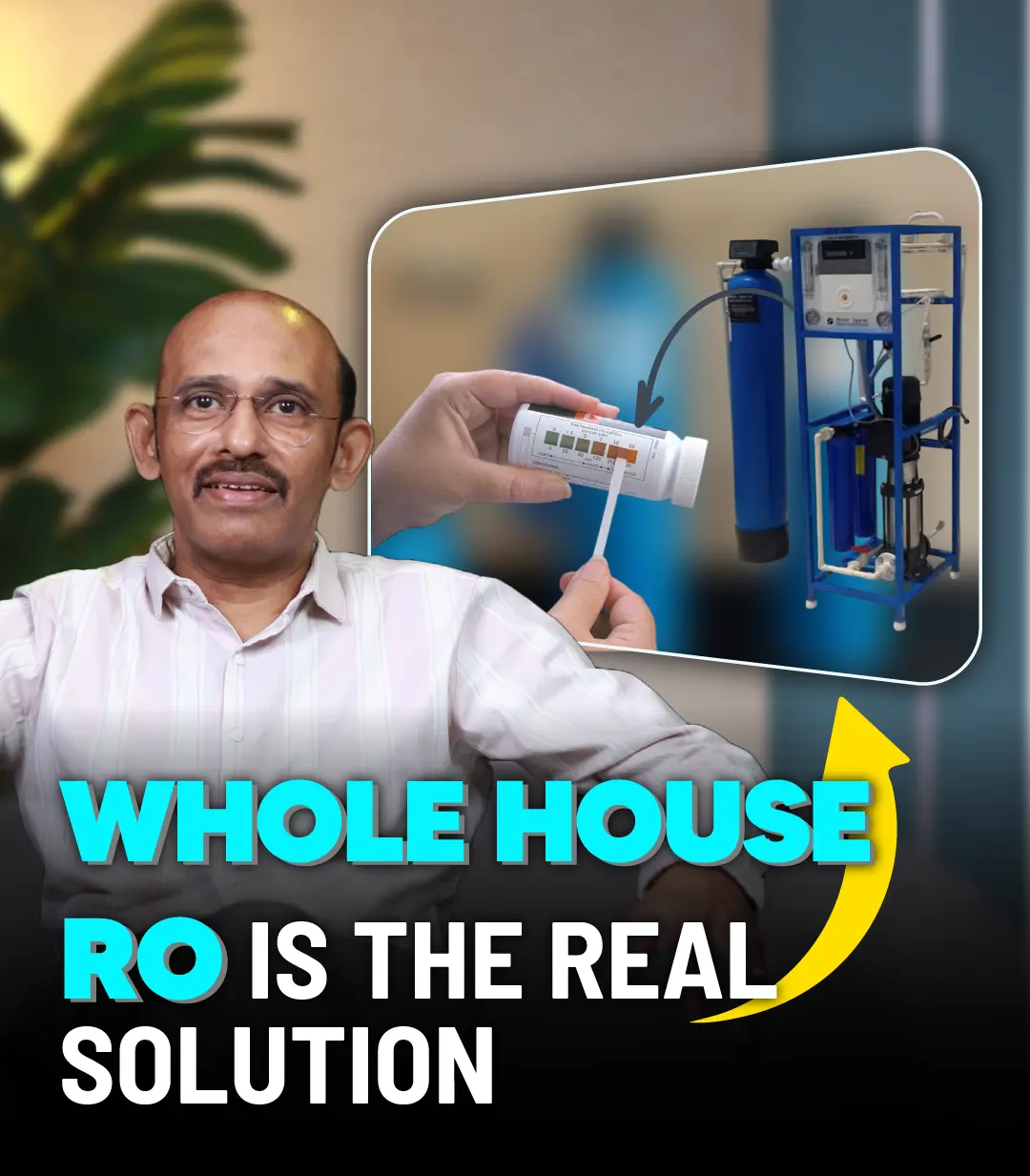
A whole house RO system does not just soften the water; on the contrary, it removes all the dissolved salts, harmful chemicals, and various impurities that the softener does not remove. This helps ensure that all faucets in the house provide safe, fresh, and delicious drinking water. By addressing the specific problem of poor-quality water, an RO system maintains home plumbing and appliances, providing greater home comfort. With a simple test of household water in mind, homeowners can make an informed choice to ensure the treatment system not only addresses home water problems but also provides a short-term solution.