
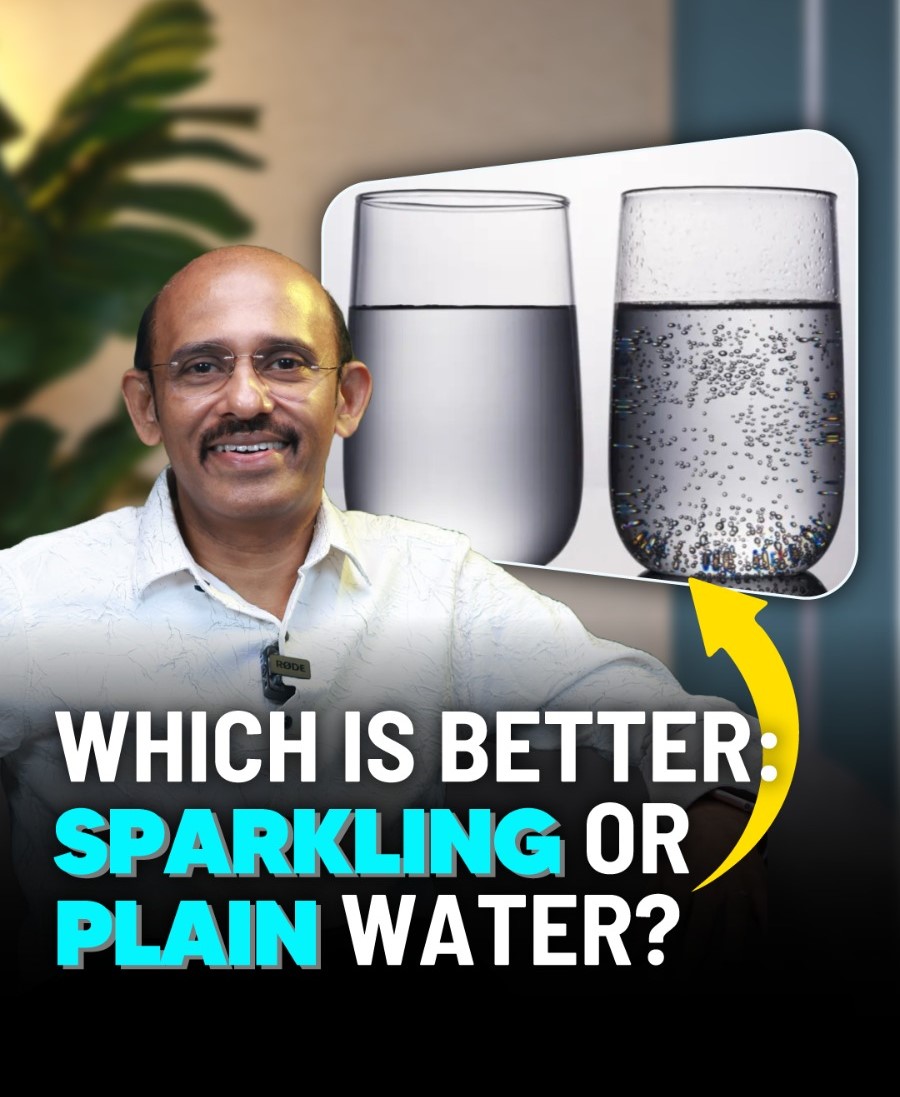
The Science of Hydration: Sparkling Water vs. Plain Water
Many health-conscious individuals frequently ask whether they should drink sparkling water or regular, plain water. On the surface, the core truth is straightforward: from a fundamental hydration perspective, there is no major structural difference between the two. Both effectively deliver the essential molecules your body requires to function.
However, carbonated beverages introduce specific physiological changes, neural triggers, and digestive responses that distinguish them from plain tap or filtered water. Understanding the science behind carbonation allows you to choose the best hydration option for your daily wellness goals.
The Chemistry of Carbonation
[Plain Water (H2O)] + [Pressurized Carbon Dioxide (CO2)] ➔ [Carbonic Acid / Sparkling Water]
To accurately compare these two beverages, we must examine how sparkling water is produced. Sparkling water is created by taking plain, purified water and, under high pressure, infusing it with carbon dioxide ($CO_2$) gas.
This pressure forces the gas to dissolve in the liquid, forming a weak acid, carbonic acid ($H_2CO_3$). This chemical reaction gives carbonated water its distinct tart flavour and effervescent fizz. Plain water, by contrast, remains completely neutral, free from gas additions, matching your body’s natural cellular fluids.
The Neurological Spark: Dopamine and Fizzy Drinks
One of the main reasons people prefer carbonated water over plain water is the physical sensation it creates in the mouth.
The Role of the Brain’s Reward System
When you take a sip of a carbonated drink, the bursting bubbles stimulate sensory receptors on your tongue. This intense oral sensation sends signals straight to your brain, activating the dopamine reward pathway.
The Feel-Good Effect
This neural activation triggers a minor “feel-good” psychological response. The fizz provides a crisp, stimulating experience that makes the simple act of drinking water feel rewarding and refreshing. Because plain water lacks this chemical pop, it can sometimes feel uninteresting to those accustomed to processed drinks.
The Weight Loss Weapon: How Carbonation Alters Appetite
For those trying to manage their daily calorie intake, carbonated water offers an unexpected tool for appetite control.
The Volume Illusion: Drinking a glass of sparkling water releases carbon dioxide gas directly into your stomach cavity.
This expanding gas increases the physical volume inside your stomach, stretching the gastric walls slightly. This expansion signals your brain that your stomach is full. As a result of this fuller sensation, you may naturally experience reduced hunger pangs, making it easier to manage portion sizes during meals.
The Digestive Trade-off: Bloating and Stomach Sensitivity
While expanding gas bubbles can help you feel full, that same process can cause digestive discomfort for certain individuals.
[Trapped Gastric CO2 Gas] ➔ [Intestinal Stretching] ➔ [Bloating, Burping, & Core Discomfort]
The Reality of Bloating: The carbon dioxide trapped in carbonated water must eventually escape your digestive system. For many, this trapped gas leads to immediate core bloating, abdominal pressure, and frequent burping.
The Sensitivity Factor: If you struggle with conditions like acid reflux, Irritable Bowel Syndrome (IBS), or a naturally sensitive stomach lining, the carbonic acid in sparkling water can worsen those symptoms.
The Plain Water Safety Net: If your digestive tract is sensitive, sticking to normal, plain filtered water is the safer choice. Plain water digests smoothly without causing excess air pressure or stomach irritation.
The Dental Dilemma: Does Carbonation Eradicate Enamel?
A common concern floating around health forums is whether the slight acidity of carbonated water can decay tooth enamel. Because carbon dioxide forms carbonic acid, sparkling water typically registers a lower pH than plain water (around 5.0 to 6.0 compared to plain water’s neutral 7.0).
What Dental Science Says
Extensive dental studies show that plain, unsweetened sparkling water is only minimally erosive to tooth enamel. It is entirely safe for daily consumption and poses no risk to your teeth, as your saliva naturally neutralises the mild acidity almost immediately.
However, this safety profile changes completely if you consume flavoured sparkling waters that include citric acid or added sugars. Those additives lower the pH to highly dangerous erosive levels, which can cause structural decay over time. If dental wellness is your priority, stick to unflavored sparkling varieties or pure, plain water.
A Strategic Alternative to Sugary Sodas
Where sparkling water truly shines is as a bridge away from unhealthy lifestyle habits.
| Beverage Profile Comparison | Commercial Sugary Sodas (e.g., Cola | Flavoured / Plain Sparkling Water | Plain Filtered Water (Water Sparks) |
| Sugar / Calorie Content | Extremely high (loaded with corn syrups) | Zero sugar / zero calories | Zero sugar / zero calories |
| Dopamine Activation | High (driven by both sugar and fizz) | Moderate (driven by clean fizz sensory trigger) | Baseline hydration levels |
| Gastrointestinal Impact | High acidity combined with heavy gas | Mild bloating or burping potential | Perfectly neutral, zero digestive irritation |
| Long-Term Health Profile | Linked to weight gain and metabolic strain | Excellent, safe soda substitute | The gold standard for optimal daily hydration |
| Dopamine Activation | High (driven by both sugar and fizz) | Mild bloating or burping potential | Baseline hydration levels |
If you are trying to break an addiction to standard sodas, switching directly to plain water can feel like a drastic shift. Unsweetened sparkling water serves as an excellent alternative. It delivers the satisfying, bubbly crunch your brain craves without the harmful blood sugar spikes.
The Verdict: Which Should You Choose?
Ultimately, deciding between sparkling and plain water depends entirely on your personal wellness goals and digestive health. Both choices keep you fully hydrated, but they serve different roles throughout the day.
If you are looking for a healthy, zero-calorie substitute for sugary drinks or want a natural way to curb your appetite before a meal, sparkling water is a fantastic option.
However, for consistent, all-day hydration—especially if you have a sensitive stomach or want to avoid bloating—plain, high-quality filtered water remains the gold standard for your body.