
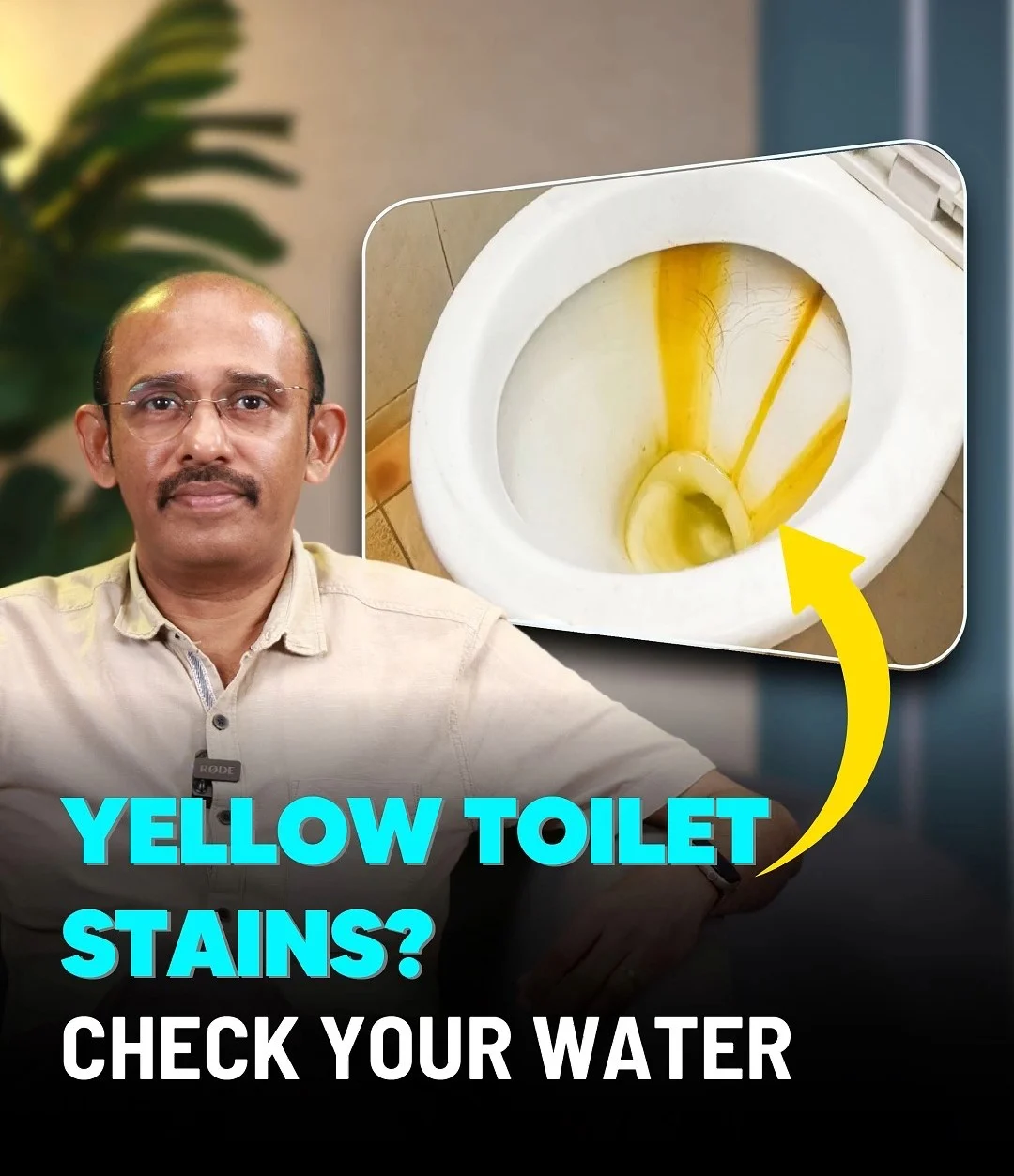
Why Yellow Toilet Stains Keep Coming Back (Even After Cleaning!): The Hidden Iron Truth
Have you ever spent your weekend scrubbing your bathroom until your arms ached, only to look into the toilet bowl the next morning and see those same ugly, stubborn yellow stains mocking you?
It is one of the most frustrating experiences a homeowner can face. You pour in premium toilet cleaners, buy expensive scrubbing brushes, and use maximum elbow grease. For a few hours, the porcelain looks sparkling white. But within 24 to 48 hours, a distinct yellow or rusty-brown ring forms right back around the water level or trails down from the flush rim.
If you are dealing with this relentless problem, stop blaming your cleaning habits or your choice of disinfectant. The video reveals a shocking truth: those recurring yellow stains have absolutely nothing to do with hygiene. You can scrub for eternity, but until you treat the root cause, those stains will keep coming back.
The real villain hiding in plain sight is the water flowing directly out of your bathroom taps and flush tanks.
The Root Cause: Why Chemical Cleaners Can’t Fix Your Toilet Stains
When most people see a yellow or brownish ring inside their toilet bowl, their immediate instinct is to treat it as an organic waste issue or a lack of deep cleaning. We run to the store, buy aggressive acid-based cleaners like Harpic, and douse the bowl in chemicals.
However, behind the glossy marketing campaigns lies a frustrating reality that appliance sales reps rarely mention. Data indicates that a staggering 9 out of 10 dishwashers sold in India encounter frequent system errors, breakdowns, and premature failures.
The Short-Term Chemical Illusion
Acidic toilet cleaners are highly effective at temporarily dissolving mineral deposits and surface discolouration. When you apply them and scrub, the stain disappears, giving you the illusion that the problem is solved.
However, the moment you flush the toilet, you are introducing a fresh supply of household water right back into the bowl. If a specific chemical contaminant plagues your water supply, the staining process restarts the exact second the flush cycle ends.
The Hidden Culprit: High Iron Content in Groundwater
The video explicitly points out that the true culprit behind these stubborn, recurring yellow rings is a high concentration of dissolved iron in your water supply.
This issue is widespread across India, particularly in residential areas that bypass municipal water grids and rely entirely on deep-borewell groundwater or external tanker water supplies. While the water might look clear when it first gushes out of your tap, it is secretly carrying heavy loads of invisible, dissolved ferrous iron.
The Science of the Stain: How Invisible Iron Turns into Rust
How does clear water turn into an ugly yellow stain inside your toilet bowl? The answer lies in a simple, unavoidable chemical reaction that occurs every time you flush.
Dissolved Iron in Water ➔ Exposed to Oxygen in Bowl ➔ Oxidation (Rusting) ➔ Chemical Bond to Porcelain
When groundwater sits deep underground in a borewell, it exists in an environment with very little to no oxygen. In this state, the iron remains completely dissolved and completely invisible to the naked eye.
However, the moment that water is pumped up into your overhead tanks and flushed into your toilet bowl, two things happen:
- Exposure to Air: The water spreads out and comes into direct contact with oxygen in the atmosphere and in the bathroom.
- The Oxidation Process: Oxygen reacts chemically with dissolved iron, converting it into ferric iron particles. In simple terms, the iron in your water literally turns into liquid rust.
Because porcelain and ceramic toilet bowls have microscopically porous surfaces, this freshly oxidised liquid rust chemically bonds tightly to the bowl. The stain is most prominent right at the waterline because that is exactly where water, air, and porcelain meet in a continuous, concentrated reaction.
The Extended Damage: How Iron Water Ruins Your Entire Bathroom
If you think a stained toilet bowl is your only problem, think again. High iron water content in your water supply acts like a slow poison for your entire plumbing system and bathroom aesthetics. If left untreated, you will soon notice the same rusty-brown and yellow discolouration spreading across other areas:
- Taps and Chrome Fittings: Premium chrome-plated faucets, health faucets, and mixers will lose their shine and develop a crusty, yellowish-brown layer that ruins their finish.
- Showerheads and Pipes: The oxidised iron will begin to cake inside the internal mesh of your showerheads, gradually restricting water pressure until the nozzles clog completely.
- Bathroom Wall and Floor Tiles: The continuous splash of iron-rich water onto your tiles, especially in the shower zone, will leave behind a permanent, dirty-looking yellow tint that standard floor cleaners cannot remove.
How to Break the Cycle and Eliminate Yellow Stains Permanently
Now that you know scrubbing with regular toilet cleaner is a losing battle, how do you actually solve the problem? To fix a chemical issue, you need a systemic solution. Here is the exact step-by-step blueprint recommended to banish iron stains from your home forever:
However, behind the glossy marketing campaigns lies a frustrating reality that appliance sales reps rarely mention. Data indicates that a staggering 9 out of 10 dishwashers sold in India encounter frequent system errors, breakdowns, and premature failures.
Step 1: Get a Professional Water Lab Test
Before spending money on random filters, you need to know exactly what you are dealing with. Take a sample of your raw borewell water or tanker water and send it to a local water testing laboratory. Ask for a specific analysis of the Iron (Fe) content, alongside standard hardness and TDS levels. Knowing the exact parts per million (ppm) of iron will dictate the size and type of filtration system you need.
Step 2: Stop Fighting Symptoms and Install an Iron Removal Plant
The only permanent, one-stop solution to stop yellow stains from appearing is to trap the iron before it ever reaches your bathroom. Standard sediment filters or basic water softeners are completely useless against dissolved iron.
You need a specialised Iron Removal Plant (IRP) installed at your main water inlet line (usually right after your borewell pump or before the water enters your overhead tank). Companies like Water Sparks specialise in these heavy-duty filtration units. These plants use specialised catalytic media to force dissolved iron to oxidise and agglomerate inside the filter tank, trapping it safely and sending 100% iron-free, crystal-clear water to your entire house.
Conclusion: Clean Smart, Not Hard
Stop wasting your hard-earned money on endless bottles of chemical toilet acids, and stop wasting your energy scrubbing a stain engineered to return. The recurring yellow ring in your toilet isn’t a sign of a dirty home. It’s a distress signal from your plumbing about poor water quality.
By testing your water and investing in a dedicated iron-removal filtration system, you will protect your expensive bathroom fixtures, prevent internal rust clogging in your plumbing, and finally enjoy a sparkling white, maintenance-free toilet bowl!