
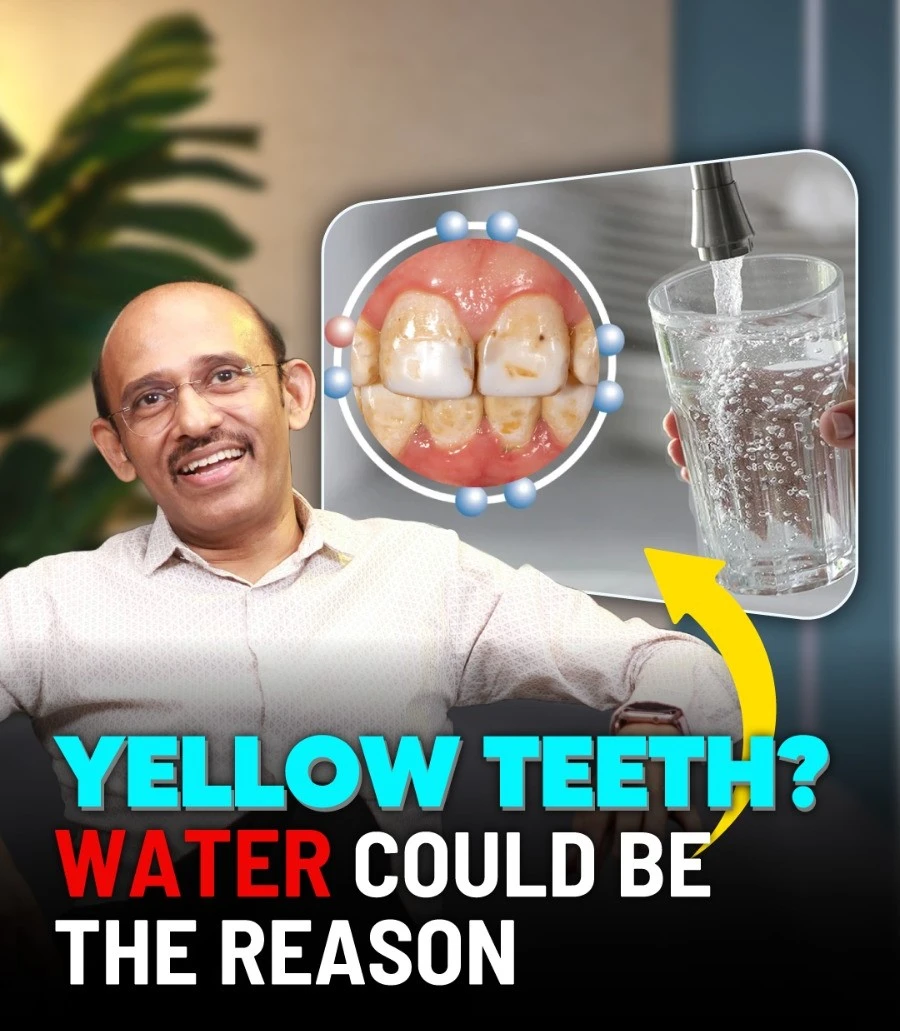
When Dental Problems Are Not Dental at All
Yellow stains, tooth pitting, or unusually weak enamel are often blamed on poor dental care. However, in many cases, the root cause lies not in oral hygiene but in the quality of the water you drink every day. When the content of drinking water is high in fluoride or other minerals, it could eventually compromise the enamel of the dental structure from the inside, despite regular brushing and dental cleanups. This takes time to develop, making it even harder to detect until the condition worsens. Comprehending the importance of linking the quality of drinking water to oral health is the key to realizing the underlying solution.
In many households, especially those relying on borewell or untreated groundwater, this connection often goes unnoticed for years. Since fluoride is colourless and tasteless, there are no immediate warning signs in the water itself. As a result, dental symptoms are treated individually while the actual cause continues unchecked. Identifying water quality as a contributing factor enables targeted solutions that protect dental health at its source rather than just managing symptoms.
How Fluoride in Water Affects Teeth
Excessive fluoride in drinking water can cause tooth enamel to decay. This could result in discolouration, pitting, chipping, and sensitivity in teeth that are liable to fracture. In children, constant intake could lead to anomalies in developing teeth. Though the above occurs gradually, very few people have access to clean drinking water. Consuming fluoridated water without treatment could lead to increased tooth decay and a greater predisposition to dental disease.
Over time, these dental changes can affect confidence, comfort, and overall quality of life. Everyday activities such as eating hot or cold foods may become painful due to heightened sensitivity. In severe cases, teeth may weaken to the point where restorative dental treatments are frequently required. Addressing fluoride levels in drinking water early helps prevent long-term damage and reduces dependence on repeated dental interventions.
The Hidden Impact on Bone Health
The effects of fluoride cannot be confined to the teeth alone. Drinking too much water with high levels of fluoride can weaken bones, making them brittle and causing pain from arthritis and other bone diseases. Furthermore, drinking too much water containing high levels of fluoride can lead to a buildup of fluoride, causing the joints to become stiff. Stiff joints result in pain when a person tries to walk or even move. Sometimes, bone fluorosis arises.
When left unaddressed, these skeletal effects can interfere with daily activities and reduce long-term mobility. Individuals may experience persistent stiffness, fatigue, or discomfort even during simple movements. Older adults are especially vulnerable, as weakened bones increase the risk of fractures and joint degeneration. Early detection through water testing and timely filtration can prevent these complications and help maintain healthy bones and joints over time.
Fluoride Is Not Everywhere
The fluoride contamination level is geo-location-based. It has been identified as a natural groundwater compound at only some locations, suggesting that fluoride is not present at most locations. It is for the same reason that some families may be affected by fluoride, and other families may not even belong to the same city or district. Geological characteristics, soil type, and borewell depth are factors that influence the presence of fluoride.
This is because fluoride levels can vary widely. Therefore, making an assumption based on the neighbouring region might be problematic. This is because a neighbouring home could have safe water, while another home that draws its water from an underground aquifer could be at risk of high fluoride levels. Similarly, seasonal changes or continuous groundwater extraction could alter fluoride levels.
Why Groundwater and Borewell Users Are at Higher Risk
Households that depend on borewells or untreated groundwater are at a higher risk of exposure, as their sources are deep ground layers where fluoride may occur. The deeper the borehole, the greater the likelihood that minerals and fluoride will be dissolved in the water. Unlike the water that supplies towns, groundwater seldom undergoes extensive treatment to make it safe; it therefore often enters citizens’ homes as high-fluoride water, unknowingly consumed for many years without consideration of the health risks it may pose.
This is often done silently, without any apparent changes to the water’s appearance or taste. Families continue using the same water source without even realising it is harming them by raising or lowering the fluoride content. The most affected members of the family are children and the elderly.
The Importance of Water Testing
The only reliable way to confirm fluoride in water is through laboratory testing. Testing your borewell or groundwater helps identify the exact fluoride levels and determines whether treatment is required. Visual clarity or taste cannot indicate the presence of fluoride, as fluoride is colourless and odourless. The laboratory tests provide accurate results, enabling experts to identify the most appropriate filtration technology. It is essential for bore well water users to conduct periodic water testing, as water quality can change with seasonal variations and water levels.
Regular testing not only protects health but also prevents unnecessary costs from incorrect treatment. Knowing the exact fluoride concentration helps in selecting a solution that is neither under-designed nor over-engineered. It also ensures compliance with safe drinking water standards for long-term consumption. With proper test reports, households can make informed decisions and maintain consistent water quality year-round.
Reverse Osmosis: The Most Reliable Solution
Reverse Osmosis is the most efficient method for removing fluorides from water. Furthermore, despite the high cost of adopting this method, it is actually the most efficient because it ensures the water you consume is free of fluorides while providing you with fresh, healthy water to drink. Additionally, even though the costs of implementing the means are pretty high, the gains that you get from using your dental and bone growth make a whole addition to your residential property if your water is coming from an area with a higher concentration of fluorides. Reverse Osmosis Technology is the most efficient means of removing fluorides from water.
In addition to removing fluoride, Reverse Osmosis water filters can remove other dissolved solids, such as excess salts, heavy metals, and toxic chemicals. This multi-stage purification makes the water healthier and more refreshing to drink. In areas with higher levels of fluoride, an RO filter serves as a long-term health shield for the family rather than an ordinary water filter.
Cost-Effective Alternatives for Fluoride Removal
For those looking for economic alternatives, activated alumina resins and bone char filtration can be efficient options. When properly designed and well implemented, the two can effectively reduce high fluoride concentrations. Activated alumina can bind fluoride ions in water. Bone char filtration, derived from animal bones treated by specific methods, can bind fluoride. Bone char filtration can serve as an alternative for families who cannot afford an RO device.
These filtration technologies are even more suitable for rural or economically disadvantaged families, where cost is an essential factor. Although such technologies are not as efficient as RO water filters at filtering a variety of contaminants, they are very effective in areas where fluorides are the primary contaminants. Proper monitoring and replacement of filter material are required in such technologies for optimal performance.
Awareness and the Right Treatment Make the Difference
It is essential to promptly identify and address the problem, conduct appropriate testing, and select the proper filtration process to ensure all fluoride-related issues are eliminated. Access to safe, treated water is essential not only for your dental health but also for your bone health. With timely detection, you can easily avoid any sort of damage to your dental health, like weakening enamel and pitting, not to mention the serious health issues related to your bone health. By implementing the proper filtration method, you can easily ensure that your entire family is drinking safe, healthy water that would otherwise pose serious health concerns.
Being proactive today helps avoid inescapable health complications in the future. With proper water quality management, the need for frequent dental procedures and the possibility of skeletal problems are eliminated. Regular maintenance of an effective filtration system also provides the reassurance that all the water consumed is healthy. Decisions regarding water quality must have implications for healthy living.